In today’s fast-paced world, a slow WordPress website can lead to big problems. It can frustrate visitors and hurt your Google rankings. As a WordPress developer, improving your website’s speed should be a top priority.
This guide will show you how to make your WordPress website faster and more efficient. Whether you are new to website management or experienced, the steps here will help you speed up your site, improve user experience, and enhance SEO.
Why WordPress Website Speed Matters
Before we dive into the solutions, let’s look at why speed is so important for your WordPress website.
1. User Experience
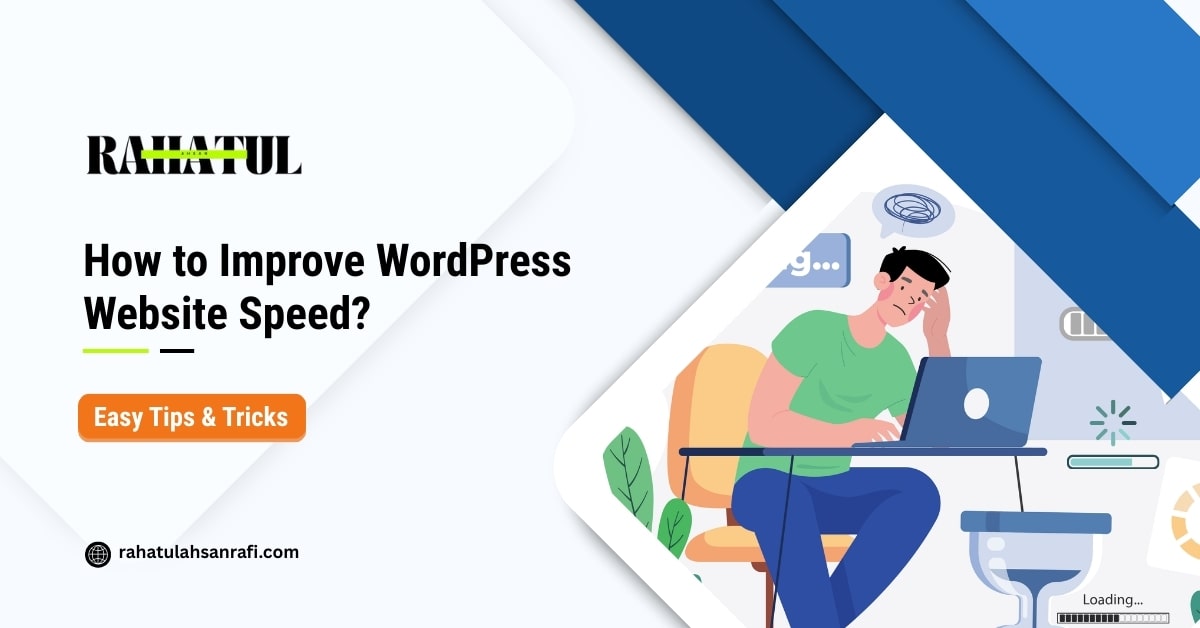
Visitors expect fast websites. If your website takes more than 3 seconds to load, more than half of your visitors will leave. Slow sites create bad experiences for users, which can lower your conversion rates.
2. SEO Rankings
Google uses page speed as a ranking factor. Websites that load faster are more likely to rank higher in search results. Slow sites get penalized, which means Google will push them down the rankings.
3. Conversion Rates
Faster websites have better conversion rates. When your website is fast, visitors are more likely to make a purchase, sign up for a newsletter, or fill out a contact form.
4. Mobile Optimization
With the rise of mobile internet users, mobile website speed is now critical. Google uses mobile-first indexing, meaning that if your mobile site is slow, your rankings could drop.
In this guide, we will cover all the steps you can take to improve your WordPress website speed and boost your website’s performance on Google.
Key Factors That Impact WordPress Website Speed
First, let’s understand the common factors that can slow down a WordPress website.
1. Web Hosting
The type of hosting you use plays a big role in your website’s speed. Shared hosting, for example, can be slow, especially when your site gets a lot of visitors.
2. Images and Media
Large, unoptimized images can slow down your site. These images can take up a lot of space, which affects your load times.
3. Themes and Plugins
Some WordPress themes and plugins are not optimized for speed. These can add extra code to your site and slow it down.
4. External Scripts
Scripts from external sources, such as ads or social sharing buttons, can also increase the loading time.
5. Database Bloat
Over time, your WordPress database can collect unnecessary data. This can cause your website to slow down.
How to Improve WordPress Website Speed
Now that we know what affects website speed, let’s dive into how you can speed up your WordPress site.
1. Choose the Right Hosting Provider
Your hosting provider is the foundation of your website’s speed. If you’re using a slow hosting provider, no plugin or optimization will make your site fast.
- Recommended Action: Switch to managed WordPress hosting. Providers like Kinsta, WP Engine, and SiteGround offer fast hosting solutions that are optimized for WordPress.
2. Optimize Your Images
Images are often the main reason for slow-loading websites. Large, uncompressed images can greatly increase your page size.
- Recommended Action: Always compress your images before uploading them. Use plugins like Smush or ShortPixel to automatically optimize images. Tools like TinyPNG can also help reduce image size.
- Use WebP Format: WebP is a newer image format that reduces file sizes without losing quality. It’s smaller than JPEG or PNG, so consider using it for better performance.
3. Use a Content Delivery Network (CDN)
A Content Delivery Network (CDN) stores copies of your website on multiple servers around the world. When a visitor accesses your site, they receive the content from the server closest to them, which speeds up load times.
- Recommended Action: Set up a CDN like Cloudflare or StackPath to serve your content faster and improve website performance.
4. Minimize Plugin Usage
Plugins can add valuable features to your WordPress site, but too many can slow it down. Poorly coded plugins can be particularly damaging.
- Recommended Action: Audit your plugins regularly. Remove any unnecessary plugins and keep only the essential ones. Quality matters more than quantity.
5. Use Caching Plugins
Caching speeds up your site by saving a static version of your pages. This reduces the load on your server by not having to regenerate the page every time a visitor comes.
- Recommended Action: Install caching plugins like WP Rocket or W3 Total Cache to improve loading times by serving cached content to visitors.
6. Optimize Your Database
Over time, your WordPress database can accumulate unnecessary data, such as post revisions and spam comments. This can cause slowdowns.
- Recommended Action: Clean up your database with plugins like WP-Optimize or Advanced Database Cleaner. Limit post revisions and clean up expired transients to improve performance.
7. Choose a Lightweight Theme
Some WordPress themes are bloated with features you might not need. These unnecessary features can make your site slower.
- Recommended Action: Choose a fast, lightweight theme like GeneratePress, Astra, or Hello Elementor. These themes are designed to load quickly and are optimized for performance.
8. Enable GZIP Compression
GZIP compression reduces the size of your website’s files, allowing them to load faster.
- Recommended Action: Enable GZIP compression through your .htaccess file or use plugins like WP Rocket to enable it automatically.
9. Minify CSS, JavaScript, and HTML Files
Minification removes unnecessary characters from your website’s code, making it smaller and faster to load. This includes spaces, comments, and line breaks in your CSS, JavaScript, and HTML files.
- Recommended Action: Use plugins like Autoptimize or WP Rocket to minify your code. This will reduce the size of your website’s files and speed up load times.
10. Regularly Update WordPress, Themes, and Plugins
Keeping WordPress and its components up to date ensures your site stays optimized for performance. New updates often include bug fixes and performance improvements.
- Recommended Action: Enable automatic updates for WordPress, themes, and plugins to ensure your website remains up to date and runs efficiently.
Common FAQs on Improving WordPress Website Speed
1. What is the best way to speed up a WordPress site?
The best ways to speed up a WordPress site are optimizing images, using a CDN, enabling caching, minimizing plugin usage, and choosing fast hosting.
2. How can I check my WordPress site’s speed?
You can check your site’s speed using tools like Google PageSpeed Insights, GTmetrix, or Pingdom. These tools will analyze your website and give you suggestions for improvement.
3. Does a CDN improve website speed?
Yes, a CDN improves website speed by delivering your content from servers that are closer to the user’s location, reducing load times and improving performance.
4. How often should I optimize my WordPress database?
It’s a good idea to optimize your database at least once a month. Cleaning up unnecessary data like spam comments and post revisions can keep your site fast.
5. Do I need to use a caching plugin?
Yes, using a caching plugin is essential. It helps speed up your website by storing static versions of your pages, reducing the load on your server, and making your site faster for visitors.
Conclusion
Improving the speed of your WordPress website is an ongoing process that requires careful planning and attention to detail. By following the steps in this guide, you can significantly enhance your website’s performance, improve the user experience, and boost your SEO rankings.
Speed is a critical factor in the success of your website. Every second counts, and faster websites create better user experiences, higher rankings, and more conversions.
As an experienced WordPress developer, I, Rahatul Ahsan Rafi, can help you implement these strategies to improve your site’s speed. Visit my website at rahatulahsanrafi.com to learn more and get expert assistance.
Take action today to speed up your site and watch your business grow!