Migrating a website to WordPress is one of the best decisions you can make to improve your online presence. Whether you’re moving from an outdated platform, migrating from another CMS, or switching to a new host, WordPress offers the flexibility, SEO benefits, and many tools needed to grow your website.
As an experienced WordPress developer, I have helped many clients make this transition. In this guide, I will show you how to migrate a website to WordPress, step by step, making the entire process simple and seamless.
Why Migrate to WordPress?
Before we begin, let’s take a moment to understand why WordPress is a great choice for your website. Here are a few reasons why you should consider migrating to WordPress:
User-Friendliness
WordPress is known for its easy-to-use interface. You don’t need to be a developer to make changes, add new pages, or install plugins. Its simplicity makes it a great choice for beginners and experienced users alike.
Flexibility and Customization
WordPress gives you access to thousands of themes and plugins. These tools allow you to customize your site easily without writing any code. Whether you want a blog, an online store, or a business website, WordPress can meet all your needs.
SEO Benefits
WordPress is designed with SEO in mind. It has many built-in features to help optimize your content for search engines. You can use popular SEO plugins like Yoast SEO to help improve your site’s visibility on Google.
Scalability
As your website grows, WordPress grows with you. Whether you’re running a small blog or a large eCommerce store, WordPress can handle the increased traffic and content without issues. It’s designed to scale with your business.
Migrating your website to WordPress gives you a flexible, scalable, and user-friendly platform that can grow with your business.
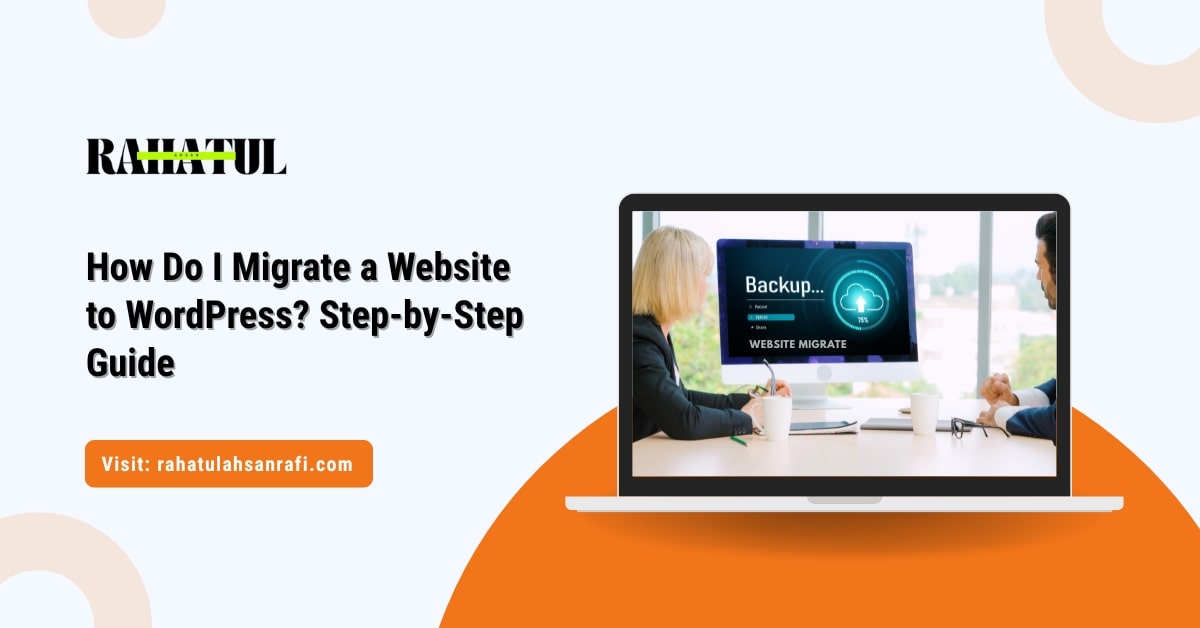
Step 1: Backup Your Current Website
The first and most important step in the migration process is to back up your current website. Backing up your website ensures that you don’t lose any important data during the move.
- Backup Files: Use an FTP client like FileZilla to download all your website files to your computer.
- Backup Database: If your website uses a database (e.g., from a CMS like Joomla or Drupal), make sure to back it up using
- phpMyAdmin or the backup tool provided by your hosting provider.
Store your backup in a secure location, such as an external hard drive or cloud storage.
Step 2: Choose a Reliable Hosting Provider
Choosing the right hosting provider is essential for the success of your WordPress website. If you are changing hosts, make sure to choose a provider that supports the latest versions of PHP (7.4 or higher) and MySQL (5.7 or higher). These are important for running WordPress smoothly.
Here are some hosting options to consider:
- Shared Hosting: Ideal for smaller websites or personal blogs. Providers like Bluehost offer affordable plans for WordPress.
- Managed WordPress Hosting: Providers like WP Engine and Kinsta offer optimized hosting for WordPress. These are great for business websites and high-traffic sites.
- VPS Hosting: For large websites with high traffic or more complex needs, VPS hosting provides more control and better scalability.
Choose a hosting provider that offers good support and meets your website’s needs.
Step 3: Install WordPress
Most hosting providers offer one-click WordPress installation, which is the easiest way to get started. If this option is available, simply follow the instructions to install WordPress. If one-click installation is not available, follow these steps:
- Download WordPress from the official WordPress website.
- Upload the WordPress files to your server using an FTP client.
- Create a new database for WordPress in your hosting control panel.
- Follow the installation instructions to complete the setup.
Once WordPress is installed, log in to your WordPress dashboard and set up the basic settings, such as the site title and timezone.
Step 4: Select and Install a Theme
Your theme is the foundation of your website’s design. When migrating, you need to choose a theme that fits your website’s style and goals.
- Responsive Themes: Choose a theme that looks great on all devices, including desktops, tablets, and mobile phones.
- Custom Themes: If you want a unique design, you can either create a custom theme or hire a developer to do so.
You can install a theme from the WordPress theme directory or purchase a premium theme from a marketplace like ThemeForest or Elegant Themes.
Step 5: Migrate Your Content
Now comes the critical part: moving your content to WordPress. The process will vary depending on where you’re migrating from. Here’s how to handle different types of websites:
Migrating from HTML to WordPress
If you’re migrating from a static HTML site, you will need to create pages and posts manually in WordPress. You can copy and paste your content, but don’t forget to:
- Create individual pages for the content from your old site.
- Add new blog posts if you have them.
- Upload media files like images to the WordPress media library.
Migrating from Other CMS (e.g., Joomla, Drupal, etc.)
If you’re migrating from a CMS like Joomla or Drupal, you can use migration plugins like FG Joomla to WordPress or CMS2CMS. These tools help transfer your content to WordPress without losing important data.
Migrating from WordPress to WordPress
If you’re simply moving your WordPress website to a new host, use plugins like All-in-One WP Migration or Duplicator. These plugins will package your entire site, including themes, plugins, posts, and media, and allow you to import it into your new WordPress installation.
Step 6: Set Up 301 Redirects
301 redirects are essential to ensure that search engines and visitors can find the new location of your content. They tell search engines that your pages have moved permanently.
Use plugins like Redirection to set up 301 redirects from your old URLs to the new ones. This will help maintain your SEO rankings and ensure visitors are directed to the correct pages.
Step 7: Test Your Website
Before launching your new WordPress website, it’s important to test everything to make sure everything works correctly.
- Internal Links: Check that all internal links are working and point to the right URLs.
- Forms and Functionality: Test any forms on your site, including contact forms and eCommerce features, if applicable.
- Page Speed: Make sure your website loads quickly. Use caching plugins like W3 Total Cache or WP Super Cache to improve load times.
Step 8: Launch Your WordPress Site
Once you’ve tested your website and everything is working properly, it’s time to launch! Here are the final steps to take before going live:
- SEO Settings: Double-check that all meta tags, titles, and descriptions are set up correctly.
- Analytics: Set up Google Analytics to track your site’s performance and traffic.
- Search Console: Add your website to Google Search Console to monitor how Google indexes your new site.
Common FAQs About Website Migration to WordPress
1. Can I migrate my website to WordPress without losing SEO rankings?
Yes, you can. By setting up 301 redirects, maintaining your URL structure, and optimizing your new WordPress site, you can keep your SEO rankings intact.
2. How long does it take to migrate a website to WordPress?
The time it takes to migrate your website depends on its size and complexity. A simple blog may take just a few hours, while a larger eCommerce site could take several days to complete.
3. Do I need technical knowledge to migrate a website to WordPress?
While having some technical knowledge is helpful, you don’t need to be an expert to migrate your website. There are plenty of plugins and tutorials that can guide you through the process. If you're unsure, consider hiring a professional WordPress developer like me.
Conclusion
Migrating a website to WordPress is a great way to improve your online presence. WordPress offers flexibility, scalability, and many tools to help your site grow. By following the steps outlined in this guide, you can ensure a smooth transition and enjoy all the benefits WordPress has to offer.
If you need help migrating your website to WordPress or want a custom WordPress site designed, feel free to contact me through my website at rahatulahsanrafi.com. With years of experience in WordPress development and migrations, I can help you make a successful transition.